Urban to Rural: Pros and Cons of a Small Town Move
Posted on 23/08/2024
In recent years, the trend of moving from bustling urban areas to quaint rural towns has seen a significant rise. This shift is driven by various factors, including the quest for a simpler lifestyle, more affordable living, and a closer connection to nature. However, relocating to a smaller town comes with its own set of advantages and challenges. This article delves into the pros and cons of making such a move.
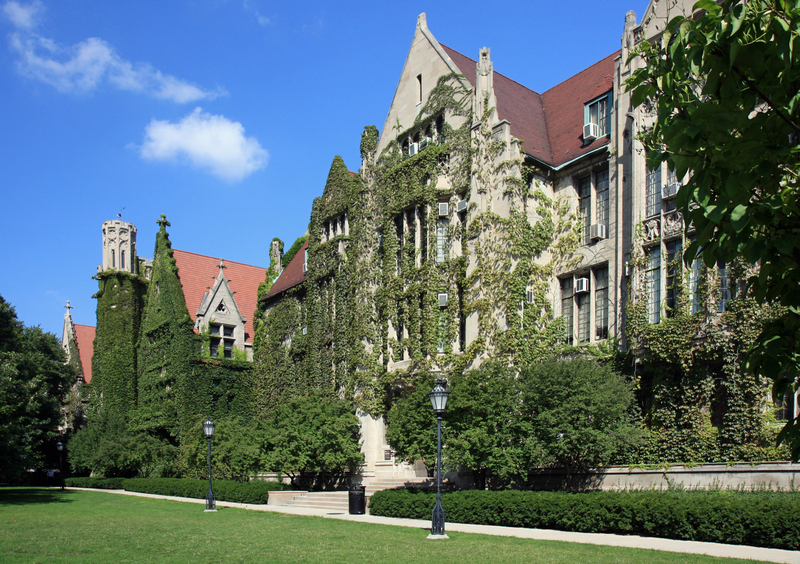
Pros of Moving to a Small Town
1. Lower Cost of Living
One of the most significant benefits of moving to a rural area is the lower cost of living. Housing prices, taxes, and daily expenses tend to be more affordable in smaller towns compared to cities. This can provide a more stress-free financial life and the opportunity to build savings or invest in other areas.
2. Better Quality of Life
Rural towns often offer a better quality of life. Less noise, lower crime rates, and a stronger sense of community can lead to reduced stress and heightened well-being. The pace of life is generally slower, which can allow residents to enjoy their daily routines more fully.
3. Closer Proximity to Nature
Living in a smaller town usually means being closer to natural landscapes. This provides numerous opportunities for outdoor activities like hiking, fishing, and camping. The proximity to nature can also contribute to better physical health and a greater appreciation for the environment.
4. Enhanced Community Feel
In small towns, community ties are generally stronger. People tend to know their neighbors, and there is often a greater sense of mutual support. This can be particularly beneficial for families and individuals seeking a tight-knit community.
Cons of Moving to a Small Town
1. Limited Job Opportunities
One of the primary drawbacks of moving to a rural area is the scarcity of job opportunities. Smaller towns typically have fewer businesses and industries, which can make it challenging to find suitable employment. Remote work options can mitigate this to some extent, but not everyone has this flexibility.
2. Less Access to Amenities
Cities are known for their wide range of amenities, including restaurants, entertainment venues, and healthcare facilities. In contrast, small towns often lack such options, which can be inconvenient for some residents. Limited access to specialized healthcare can be particularly concerning.
3. Social Isolation
While smaller communities are often close-knit, they can also be socially isolating for newcomers. People who are used to the diverse social scene of a city may find it challenging to adapt to the slower, more intimate social environment of a rural town.
4. Limited Educational Opportunities
Educational resources, including schools and extracurricular activities, are typically more limited in rural areas. Families with children may find that the educational options do not meet their expectations, necessitating additional travel or even relocation for better opportunities.

Tips for Making the Move
1. Research Thoroughly
Before making the move, conduct extensive research on potential towns. Factors to consider include job opportunities, housing costs, climate, and community amenities. Visiting the town beforehand can also provide invaluable insights.
2. Plan Your Finances
Make a detailed financial plan that takes into account the cost of living in your new location. Factor in commuting expenses if you will be working remotely or traveling for employment.
3. Engage With the Community
Make an effort to integrate into the community by attending local events and volunteering. Building relationships can make your transition smoother and help you feel more at home.
4. Be Prepared for Lifestyle Changes
Acknowledge that moving to a small town involves lifestyle changes. Embrace the differences and focus on the positive aspects of your new environment.
Takeaways
Moving from an urban area to a rural town comes with many benefits, including lower living costs, improved quality of life, and a stronger sense of community. However, it also has its downsides, such as limited job opportunities and fewer amenities. Thorough research, financial planning, and community engagement are essential for a successful transition.
Conclusion
In conclusion, a move from an urban to a rural setting involves weighing the pros and cons carefully. While the allure of a simpler, more affordable lifestyle can be strong, potential downsides should not be overlooked. By planning ahead and being adaptable, the transition to small-town life can be a rewarding and fulfilling experience.
Latest Posts
How to Protect Your Fine China When Moving
Living Blissfully in Your New Home